The Universitat Politècnica de València (UPV) is leading NanoBiCar, a European project aimed at developing new therapies to combat bacterial infections, particularly tuberculosis, one of the deadliest diseases worldwide.
“Tuberculosis has become increasingly difficult to treat due to the resistance of certain strains to conventional antibiotics. To address this challenge, in NanoBiCar, we propose a completely different approach: using messenger RNA (mRNA) encapsulated in lipid nanoparticles to stimulate the immune system and safely and effectively target bacteria without creating new resistance. This is a strategy similar to the one used in some recent vaccines, but we propose applying it for the first time to bacterial diseases,” explains Ramón Martínez Máñez, a researcher at the Interuniversity Institute for Molecular Recognition and Technological Development at UPV and the project coordinator.
Unlike traditional antibiotics, which can affect both harmful and beneficial bacteria and contribute to resistance, NanoBiCar’s approach is much more specific. By modulating the immune response, these new therapies could eliminate both intracellular and extracellular bacteria without harming other tissues in the body. Moreover, they would work even in individuals with weakened immune systems, broadening their potential application to a larger patient population. The project will test three types of encapsulated mRNA at different stages of tuberculosis infection—latent, acute, and chronic—to assess their efficacy and safety.
Although the primary goal is to combat tuberculosis, this technology could also be applied to other hard-to-treat bacterial infections that are resistant to current antibiotics. “This would pave the way for a new generation of treatments in regions with a high bacterial burden and limited medical resources, providing more accessible and effective solutions,” adds Ramón Martínez Máñez.
The project, led by UPV, is funded by the European Union through the Horizon Europe program, under the EIC Pathfinder call, managed by the European Innovation Council (EIC).
In addition to UPV, NanoBiCar includes the participation of:
- Consorcio Centro de Investigación Biomédica en Red M.P. (Spain)
- Fundación Centro de Investigación Príncipe Felipe (Spain)
- Armando Acosta Domínguez (Spain)
- Technion – Israel Institute of Technology (Israel)
- María Elena Sarmiento García San Miguel (Spain)
- Víctor Pallaruelo-Santamaría (Spain)
- Centre National de la Recherche Scientifique (CNRS, France)
- Academisch Ziekenhuis Leiden (Netherlands)
- The Foundation for Medical Research Infrastructural Development and Health Services Next to the Medical Center Tel Aviv (Israel)
- Institut de Recerca en Ciències de la Salut Germans Trias i Pujol (Spain)
Kick-off Meeting at UPV
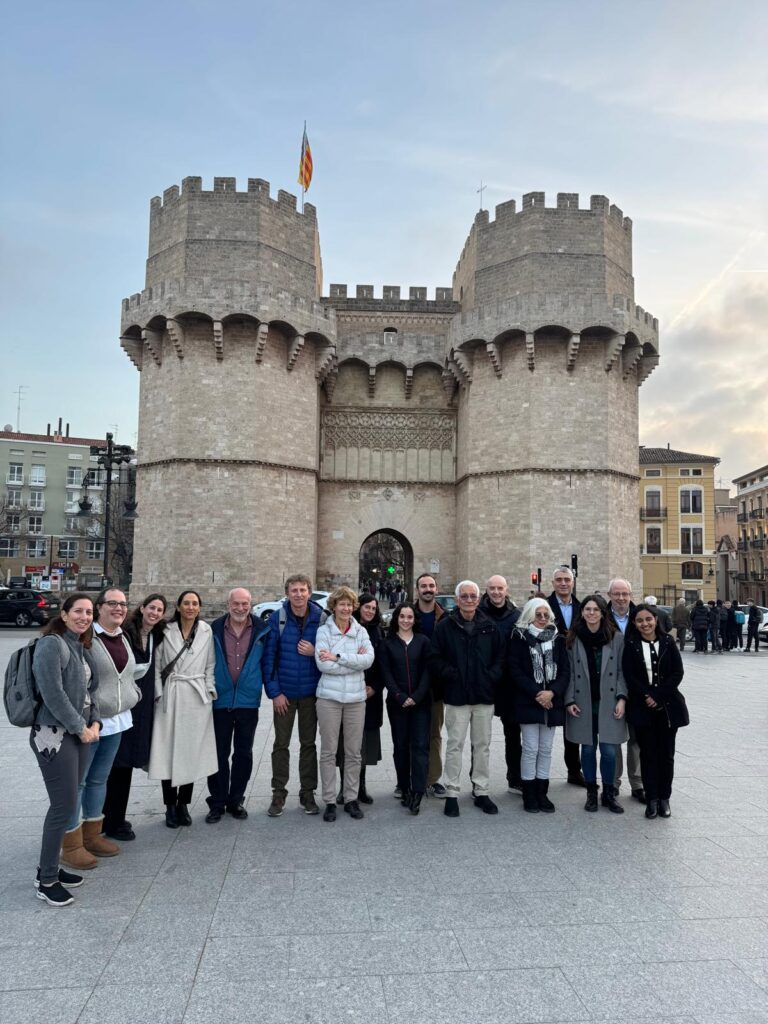
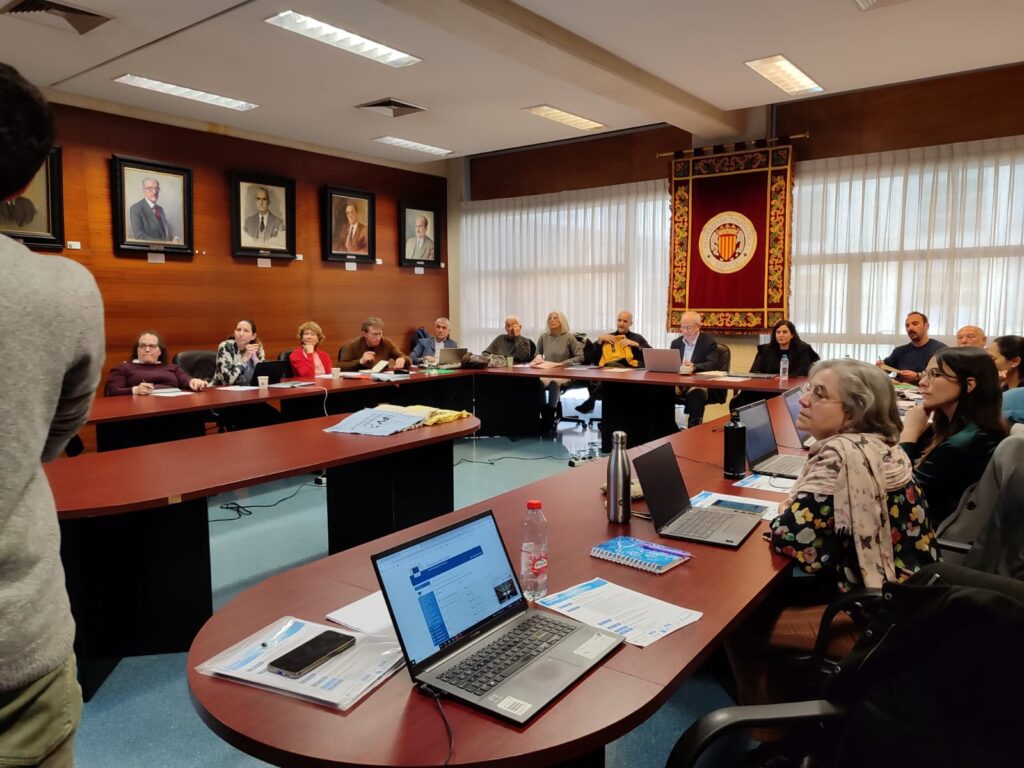
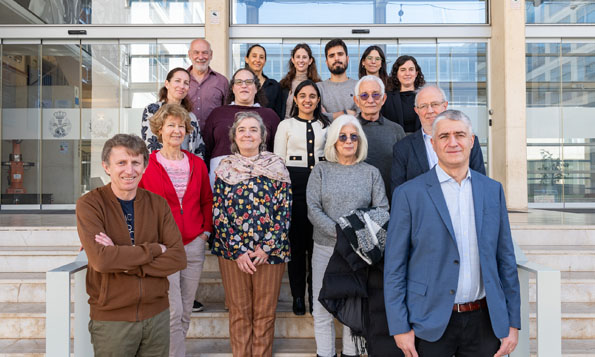
This week, all NanoBiCar partners are gathering at the Vera campus of the Universitat Politècnica de València for the project’s kick-off meeting, which aims to provide new therapeutic solutions not only for tuberculosis but also for other bacterial diseases, contributing to the fight against antimicrobial resistance.